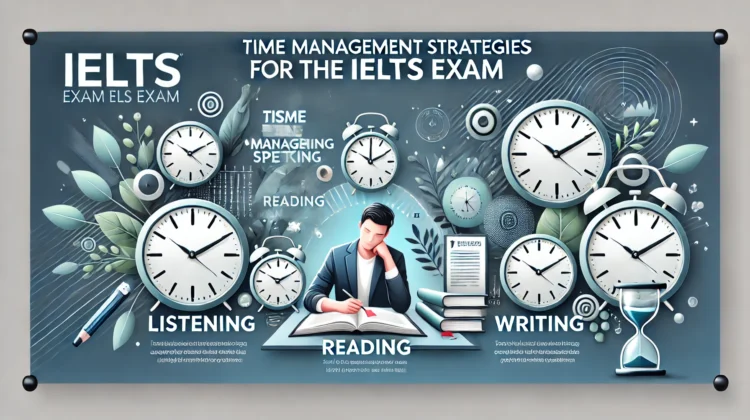
Time Management Strategies for the IELTS Exam
Discover essential time management strategies for the IELTS exam, including tips for answering Listening and Reading questions efficiently, allocating time for Writing tasks, and stress-reducing techniques. Learn practical exercises, how to avoid distractions, and optimize your preparation for success on test day.
Time Management Strategies for the IELTS Exam
1. Efficiently Answering Listening and Reading Questions
Time management is crucial in both the Listening and Reading sections of the IELTS exam. In these sections, time passes quickly, and candidates need to adopt effective strategies to answer the questions within the limited time frame.
a) Listening Strategies:
- Previewing the Questions: Before the audio starts, quickly skim through the questions to understand what information you’re looking for.
- Focusing on Key Words: Pay attention to key words and their synonyms in the audio, as the information may not appear exactly as in the question.
- Effective Note-Taking: If necessary, jot down quick notes during the audio to prevent forgetting essential information.
- Managing Speed in Answering: Ensure you answer each question promptly after hearing the response, to avoid wasting valuable time.
b) Reading Strategies:
- Skimming and Scanning Techniques:
- Skimming: Read the passage quickly to get an overall understanding of the text’s main ideas.
- Scanning: Look for specific information by scanning the text for keywords that match the question.
- Prioritize Easier Questions: Start with questions that are more straightforward and leave more complex ones for later.
- Use the Passage Structure: Understand the structure of the passage (e.g., introduction, body, conclusion) to guide you to relevant information more easily.
2. Allocating Time in the Writing Section

The Writing section of the IELTS exam requires careful time allocation to ensure that both Task 1 and Task 2 are completed within the time limit.
a) Task 1 (Academic/General Writing):
- Time Allocation: Spend about 20 minutes on Task 1. This should be enough to analyze the question, organize your thoughts, and write a clear response.
- Focus on Structure: Ensure your response includes an introduction, overview, key features, and conclusion. Keeping your writing structured will help you stay on track and save time.
b) Task 2 (Essay Writing):
- Time Allocation: Allocate about 40 minutes for Task 2. This gives you enough time to plan, write, and revise your essay.
- Plan Before Writing: Spend the first 5 minutes planning your ideas and organizing your essay structure. This will help you write more efficiently and stay within the time frame.
- Revise Your Essay: Leave at least 5 minutes at the end to review your essay for any grammatical mistakes or unclear arguments.
3. Stress-Reducing Techniques on Test Day
Managing stress on test day is vital for performing well in the IELTS exam. Implementing relaxation techniques can help you stay calm and focused.
- Deep Breathing Exercises: Practice deep breathing before the exam to calm your nerves and clear your mind.
- Positive Visualization: Visualize yourself answering questions confidently and completing each section successfully.
- Stay Hydrated and Rested: Make sure you get enough sleep the night before the exam and drink water to stay energized.
- Mindfulness: Practice mindfulness techniques, such as focusing on the present moment and not dwelling on past mistakes or upcoming questions.
4. Practical Exercises to Enhance Time Efficiency
Incorporating timed practice exercises into your study routine can significantly improve your ability to manage time during the exam.
- Timed Practice Tests: Regularly take full-length practice tests under timed conditions to simulate the exam environment and improve your pacing.
- Track Your Progress: Keep a record of your times for each section, and analyze areas where you may be spending too much time. This will help you identify areas for improvement.
- Breaks Between Practice Sessions: Schedule short breaks between practice sessions to refresh your mind and avoid burnout.
5. Avoiding Distractions During Study Sessions
Distractions can significantly impact your ability to manage time effectively during your IELTS preparation. Here are some tips for staying focused:
- Create a Dedicated Study Space: Set up a quiet, organized study area free from distractions such as mobile phones, TV, or other people.
- Use Study Techniques: Use the Pomodoro technique, which involves studying for 25 minutes and then taking a 5-minute break. This keeps you focused and prevents mental fatigue.
- Turn Off Notifications: Silence notifications on your phone or computer during study sessions to avoid interruptions.
- Set Specific Goals: Define clear goals for each study session, such as completing a set of listening exercises or writing an essay within a certain time frame.
6. Developing Speed and Accuracy in Speaking
The Speaking section of the IELTS exam can be daunting if you’re not prepared to manage your time well. Responding quickly and effectively requires practice and a strategy for both fluency and accuracy.
a) Practice Spontaneous Speaking:
- Timed Speaking Drills: Set a timer and practice speaking for 1-2 minutes on various topics. This helps you get used to speaking fluidly within the time constraints.
- Use Bullet Points: In your responses, organize your thoughts with a few bullet points before speaking to ensure you stay on track and don’t waste time.
b) Answering Follow-up Questions Efficiently:
- Keep Your Responses Concise: Provide clear, direct answers. Don’t over-elaborate, but be sure to give enough detail to demonstrate your language skills.
- Avoid Long Pauses: If you’re unsure, take a brief moment to organize your thoughts rather than filling the silence with unnecessary filler words.
7. Time Management for Vocabulary Development
A rich vocabulary is essential for success in all sections of the IELTS exam, especially the Writing and Speaking sections. Allocating time to build your vocabulary is a key part of managing your study time effectively.
- Daily Vocabulary Practice: Dedicate 15-20 minutes a day to learning and revising new vocabulary. Write sentences using new words to enhance your retention.
- Use Flashcards: Create flashcards for difficult words and review them regularly to reinforce your learning.
- Contextual Learning: Learn vocabulary in context. For instance, read articles, listen to podcasts, or watch videos to see how words are used naturally.
8. Time Management for Grammar Practice
A solid grasp of grammar is vital for achieving a high score in both the Writing and Speaking sections of the IELTS exam. Efficient use of time to practice grammar will improve your accuracy and fluency.
- Target Weak Areas: Identify your weak points in grammar and focus on practicing those areas, whether it’s verb tenses, conditionals, or sentence structures.
- Practice with Timed Exercises: Set a timer for grammar exercises to simulate the pressure of the exam environment and improve your speed.
- Use Grammar Apps and Tools: Leverage grammar apps or online resources to practice daily. Many tools provide instant feedback to help you learn from your mistakes.
9. Managing Fatigue and Maintaining Focus

Preparing for the IELTS exam can be mentally exhausting, and managing fatigue is essential to maintaining focus during your study sessions.
- Take Regular Breaks: Follow a structured study routine with regular breaks. Studying for long hours without rest can lead to burnout.
- Physical Activity: Engage in light physical exercise, such as walking or stretching, to rejuvenate your body and mind.
- Adequate Sleep: Ensure you are getting enough sleep to keep your mind sharp and ready for study sessions.
10. Creating a Personalized Study Schedule
Creating a study schedule tailored to your individual needs can help you allocate your time efficiently and ensure that you’re covering all aspects of the exam.
- Set Realistic Goals: Define short-term and long-term goals for each section of the IELTS exam. Break down the larger goal into smaller tasks for daily or weekly progress.
- Balance Your Study Sessions: Distribute your time equally between all sections of the exam, and avoid overloading one area at the expense of another.
- Track Your Progress: Keep track of your progress with a study diary. Regularly assess whether you’re meeting your goals and adjust your schedule if necessary.
By integrating these time management strategies into your IELTS preparation, you’ll be better equipped to perform efficiently on test day, reducing stress and maximizing your chances of success. The more you practice these techniques, the more natural they’ll become, enabling you to complete the exam confidently and within the time limit.
Conclusion
time management is one of the most crucial skills for success in the IELTS exam. With careful planning and effective strategies, you can efficiently manage your time in each section of the test. Consistent practice, proper rest, and focusing on your strengths and weaknesses will help you perform at your best on test day. Remember, by implementing these techniques and strategies, you’ll not only increase your speed but also boost your accuracy and confidence when answering questions.